

Understanding Fillings and Your Options
Diets loaded with sugar, poor oral hygiene, and predisposing factors often result in cavities (decay). Cavities can go undetected and often do not cause pain until the decay has entered the nerve of the tooth. If decay is caught early enough it is usually a straightforward fix. The Kelowna dentist must remove all the tooth structure that is infected with decay.
It then becomes necessary to replace the missing tooth structure with filling material. As the name would imply a filling replaces parts of the tooth that have been removed, restoring the function, and often times the aesthetics of the tooth. When the time comes to having a tooth filled you will have a choice between several types of filling materials including white (composite), gold and silver (amalgam). There are different benefits to each type of filling material. Our dentist and staff in Kelowna can help patients, including children and teens with their decision and carefully consider all the options in order to determine which one works best for their particular situation.
White Fillings (Composite)
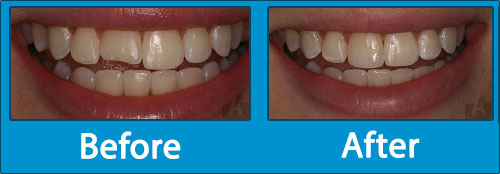
White or composite filling material has become very popular and is the material of choice for most fillings. Composite materials have become more reliable and stronger over the years. They can be blended in with the color of teeth to create a natural look that is virtually indistinguishable from the surrounding tooth being repaired. This makes composite fillings the best choice when a cavity is being fixed in an area of the mouth that is visible to other people. Composite fillings rely on a bonding agent or “glue” that seals the margins and adheres the filling to the tooth. In some instances composite fillings can be more sensitive initially than other choices.

Gold Fillings
For those patients looking for a long-term solution gold can provide a restoration that may last a life time. Gold has been used as a filling material for hundreds of years. Its hardness is similar to enamel and is malleable enough to smooth and seal at the preparation margin. Gold restorations are long-lasting and incredibly durable. In situations where a person is looking for the longest lasting material possible, and aesthetics are not a concern, gold is probably the best choice available. The disadvantages of gold include color and cost. Fillings that will be visible when a person smiles or opens their mouth will be noticeable if gold is used.

Silver Fillings (Amalgam)
Silver or amalgam fillings were once the most common filling material used to fill teeth in the back of the mouth. They are durable, self-sealing and can last for a long time. However, concerns over mercury content and their aesthetic disadvantages have seen the popularity of this filling material diminish significantly. Today the main advantage of amalgam is its lower cost.
At the Advance Dental Group our team of professionals and general dentists can help you understand all the options available to fix decay and get your mouth back in tiptop shape in virtually no time so you can go back to eating and drinking the foods and beverages you love. If you require more information give us a call today.
Restorative Dentistry & Dental Fillings FAQs
Restorative dentistry focuses on repairing teeth that are damaged, decayed, worn, broken, or missing. The goal is to restore the health, strength, function, and appearance of your smile so you can chew, speak, and smile comfortably.
Dental fillings are commonly used to repair teeth affected by cavities, small fractures, worn enamel, or minor tooth damage. The decayed or weakened portion of the tooth is removed, and the area is filled with a durable material to help protect the tooth from further damage.
You may need a filling if you have tooth sensitivity, pain when biting, visible dark spots, rough edges, food getting stuck in one area, or a cavity found during a dental exam. Sometimes cavities do not cause pain at first, which is why regular checkups are important.
During a filling appointment, the dentist removes the damaged or decayed part of the tooth, cleans the area, and places filling material to rebuild the tooth structure. The filling is then shaped and polished so your bite feels comfortable.
Yes. Tooth-coloured fillings are designed to blend with your natural teeth, making them a popular choice for visible areas of the smile. They can restore function while maintaining a more natural appearance.
Most dental fillings are completed with local anesthetic to keep the area numb and comfortable during treatment. You may feel pressure or vibration, but the procedure itself should not be painful.
The lifespan of a dental filling depends on the size of the filling, the material used, your bite, oral hygiene, diet, and whether you grind or clench your teeth. Regular dental visits help monitor existing fillings and catch wear or damage early.
Yes. Old fillings may need to be replaced if they are cracked, worn, leaking, loose, or if new decay has developed around them. Replacing a damaged filling helps protect the remaining tooth structure.
An untreated cavity can grow deeper into the tooth and may eventually cause pain, infection, or the need for more complex treatment such as a crown, root canal, or extraction. Treating decay early is usually simpler and helps preserve more of the natural tooth.
Yes, depending on the size and location of the break. A small chip or fracture may be repaired with a filling or bonding, while a larger break may require a crown or another restorative treatment.
No. Fillings can also be used to repair small chips, worn areas, minor fractures, or areas where tooth structure has been lost. Your dentist will recommend the best option based on the condition of the tooth.
Brush twice daily, floss every day, limit sugary foods and drinks, avoid chewing hard objects, wear a night guard if you grind your teeth, and keep up with regular dental checkups and cleanings. Regular exams allow your dentist to monitor your fillings and overall oral health.

